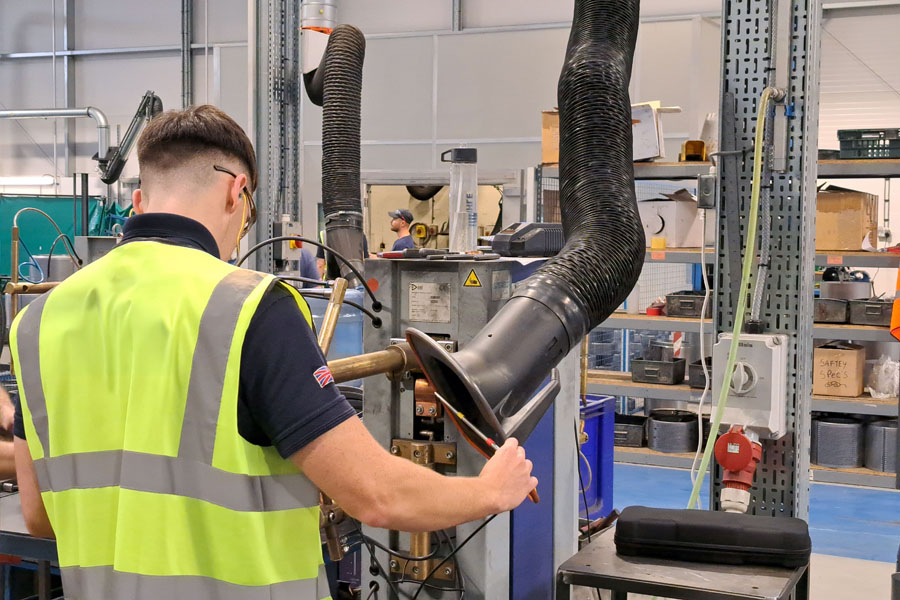
Local Exhaust Ventilation (LEV) testing is a critical process for maintaining safe and healthy working environments where hazardous substances are present. In many industries, airborne contaminants such as dust, fumes, vapors, gases, and mists pose serious risks to workers’ health. LEV systems are designed to capture and remove these contaminants at their source, preventing them from spreading into the wider workplace. Regular and thorough LEV testing ensures these systems continue to perform effectively, protecting employees, meeting legal obligations, and supporting long-term operational efficiency.
What Is LEV and Why It Matters
Local Exhaust Ventilation refers to engineered systems that extract airborne contaminants directly from the point where they are generated. Common examples include fume cupboards in laboratories, welding extraction arms, dust extraction hoods in woodworking shops, and capture systems used in chemical processing or manufacturing.
Unlike general ventilation, which dilutes contaminants by introducing fresh air into a space, LEV systems are targeted. By capturing pollutants at source, they significantly reduce exposure levels, making them one of the most effective control measures for airborne hazards.
However, even the best-designed LEV system can lose effectiveness over time due to wear, damage, improper use, or changes in work processes. This is where LEV testing becomes essential.
What Is LEV Testing?
LEV testing is the systematic examination and assessment of a local exhaust ventilation system to confirm that it is working as intended. The process evaluates whether the system can adequately capture and remove hazardous substances under normal operating conditions.
Testing typically involves visual inspections, airflow measurements, pressure checks, and performance assessments of hoods, ducts, filters, fans, and discharge points. The goal is to ensure the system provides sufficient control of airborne contaminants and complies with safety standards and regulations.
LEV testing is not just a one-time activity. Systems must be examined at regular intervals to confirm ongoing performance.
Legal and Regulatory Importance of LEV Testing
In many regions, employers have a legal duty to protect workers from exposure to hazardous substances. LEV systems are often installed as a primary control measure to meet these requirements. Regulations commonly require that LEV systems be thoroughly examined and tested at least once every 12 to 14 months, depending on the type of system and the hazards involved.
Failure to carry out proper LEV testing can result in enforcement action, fines, or legal liability if workers are harmed due to inadequate exposure control. More importantly, it puts employees’ health at risk, potentially leading to long-term illnesses such as respiratory diseases, occupational asthma, or exposure-related cancers.
Regular LEV testing demonstrates due diligence, supports compliance, and helps employers fulfill their duty of care.
The LEV Testing Process
LEV testing follows a structured approach to assess system performance comprehensively.
Visual Inspection
The process begins with a detailed visual examination of the entire LEV system. This includes checking hoods, enclosures, ductwork, joints, seals, filters, fans, and discharge points. Inspectors look for signs of damage, corrosion, blockages, leaks, or poor installation that could reduce efficiency.
Airflow and Velocity Measurements
One of the most important aspects of LEV testing is measuring airflow rates and capture velocities. These measurements determine whether the system is drawing in enough air at the point of contaminant generation to effectively capture hazardous substances. Insufficient airflow can allow contaminants to escape into the workplace.
Pressure and Fan Performance Checks
Pressure measurements across filters and other components help identify restrictions or blockages. Fan performance is also assessed to ensure it is operating within design specifications and providing adequate extraction power.
System Functionality Assessment
The tester evaluates how the LEV system performs during actual work activities. This practical assessment ensures that the system controls contaminants effectively under real-world conditions, not just in theory.
Comparison with Design or Benchmark Data
Results are compared against original design specifications, commissioning data, or recognized performance benchmarks. Any deviations are identified and assessed for their impact on safety.
Documentation and Reporting
After testing is complete, a detailed LEV test report is produced. This document is a vital record and typically includes:
- Details of the LEV system and its components
- Test methods and equipment used
- Measured airflow and performance data
- Identification of defects or areas of concern
- Clear conclusions on system effectiveness
- Recommendations for repairs, maintenance, or improvements
These reports should be kept accessible, as they may be requested during inspections or audits by regulatory authorities. They also provide a valuable reference for tracking system performance over time.
Common Issues Identified During LEV Testing
LEV testing often reveals problems that are not immediately obvious during day-to-day operations. Common issues include reduced airflow due to clogged filters, damaged ductwork causing leaks, poorly positioned hoods that fail to capture contaminants effectively, or fans that are no longer delivering sufficient performance.
Changes in work processes can also affect LEV effectiveness. For example, increased production rates, new materials, or altered work positions may require system adjustments. Regular testing helps identify these issues early, before they lead to unsafe exposure levels.
Benefits of Regular LEV Testing
The benefits of LEV testing extend beyond regulatory compliance. Effective testing helps protect employee health, reducing sickness, absenteeism, and long-term health claims. It also improves overall workplace air quality, contributing to better comfort and productivity.
From a business perspective, early identification of faults can prevent costly system failures and emergency repairs. Well-maintained LEV systems operate more efficiently, potentially reducing energy consumption and extending equipment lifespan.
LEV testing also reinforces a strong safety culture, demonstrating that an organization takes occupational health seriously.
Who Should Carry Out LEV Testing?
LEV testing should be performed by competent, trained professionals with a clear understanding of ventilation principles, measurement techniques, and workplace hazards. Testers must be familiar with relevant standards and capable of interpreting results accurately.
Using qualified specialists ensures testing is thorough, reliable, and defensible in the event of inspections or incidents.
The Role of Maintenance Between Tests
While periodic LEV testing is essential, it should be supported by routine maintenance and daily checks. Workers should be trained to recognize basic signs of system failure, such as reduced suction, unusual noises, or visible dust escape.
Simple pre-use checks, combined with planned maintenance, help ensure the system remains effective between formal tests.
The Future of LEV Testing
As industries evolve, LEV systems and testing methods continue to improve. Advances in monitoring technology, data logging, and predictive maintenance are making it easier to track system performance in real time. These developments support more proactive approaches to exposure control and system management.
Despite technological changes, the core purpose of LEV testing remains the same: protecting people from harmful airborne substances.
Conclusion
LEV testing is a vital component of workplace health and safety wherever hazardous airborne contaminants are present. By ensuring local exhaust ventilation systems perform as designed, testing protects workers, supports legal compliance, and promotes efficient, reliable operations.
Regular, professional LEV testing—combined with good maintenance and informed use—helps create safer working environments and demonstrates a clear commitment to occupational health. In industries where air quality matters, LEV testing is not optional; it is essential.